

By Diedra Eby

Kedar Moye on West Campus checking out the “Pleasure Basket,” 2026. Photo by Diedra Eby.
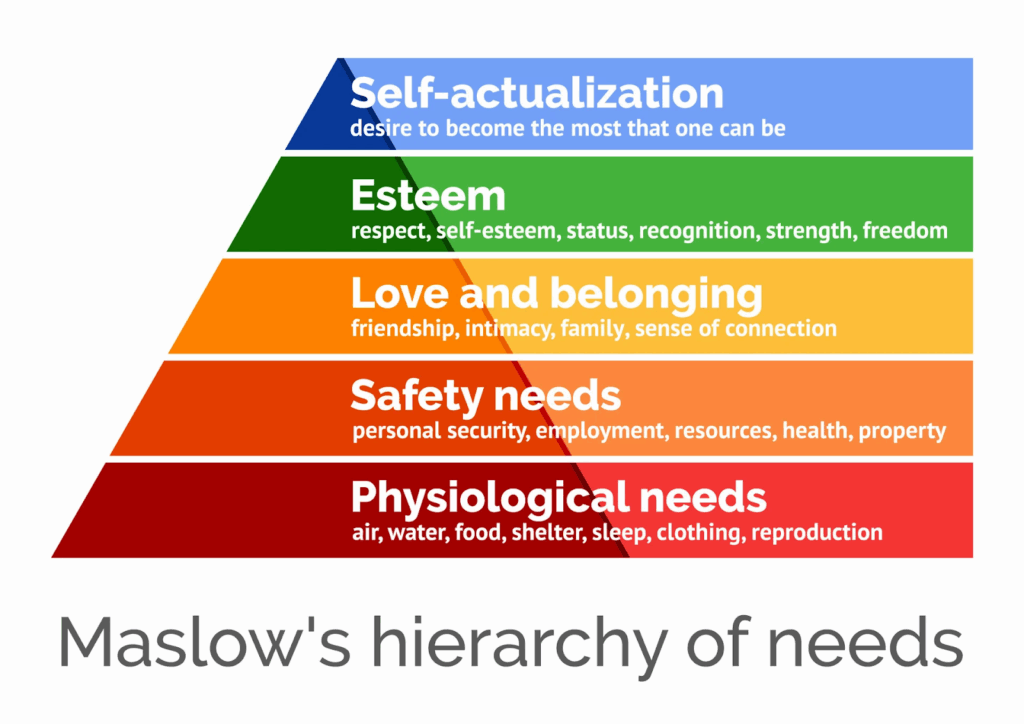
Sex is more important on the hierarchy of needs than self-esteem, status, or even freedom, according to Maslow.
Ask yourself: Why are you here at Pima Community College? For some of you, the answer is because your parents told you that you had to come here. For some of you, it’s to improve your self-esteem or your status with the education you’ll obtain.
Some of you will be reaching for the top rung of Maslow’s pyramid with the desire to become the most that you can become. That is self-actualization. Guess what? Sex comes before all of that. Therefore, it is natural to want to have, try to obtain, and seek out sex while attending college.
When you give in to that urge, it should be fun and as stress-free as possible. For most people, though, there will be worries, like pregnancy and the possibility of sexually transmitted infections, or STIs. Thanks to PCC’s Student Life and several community outreach programs, those intimate moments can be a little less stressful.
Condoms are conspicuously available right there at the front desk at the Downtown Campus location, so sex can be pregnancy and STI free. But you don’t have to be conspicuous. Just dip your hand in and grab a handful as you pass by in a smooth move no one will even notice. Only you and your partner need to know how prepared you are when the time comes for action. Other campuses are equally accommodating, as we’ll soon discuss.
Based on a WisconsinFinancial Aid Study quoted on a University of Oregon site, about 50% of college students have unexpected pregnancies.
Unplannedpregnancy.com says that adds up to more than 2 million women between the ages of 18 and 24 becoming pregnant each year. Condoms aren’t just for preventing pregnancy though, because sexually transmitted diseases are primarily transferred by skin to skin contact.
Those of you between the ages of 15 and 24 (the average age of high school and Community College students), are in the “high risk” category for being the one of five individuals in the U.S. infected with an STI (Beigh, 2023).
Some go completely undetected because they have little to no noticeable symptoms, such as discomfort urinating, though the symptoms can be much worse, like genital sores or foul smelling discharge from your penis or vagina.
However, having little or even no symptoms does not mean that an STI is not “silently, damaging organs and tissues, complicating reproduction, and spreading to sexual partners (MedStar Health).”
Be assured that STIs do not care how old you are. You’re simply in the “high risk” category when you’re younger for two reasons. One, because of a high level of sexual activity. Two, because of high risk behavior, or lack of use of condoms or other barriers like oral dams, gloves, plastic wrap, etc.
As a result of the isolation of COVID, STIs rose 7% in 2021. Of particular note, syphilis had a 32% spike, according to MedStar Health. If you don’t know about syphilis, it’s the STI that can make you go insane. While there were 2.2 million reported STIs in 2024, the combined cases of chlamydia, gonorrhea and syphilis is down 9% since 2023- the third consecutive year of decline.
However, when compared to rates of a decade ago, overall cases are 13% higher and congenital syphilis,syphilis passed from the mother to the fetus,is a shocking 700% higher.
Enough fear mongering! Safe sex is absolutely possible! And since it is such a wonderful part of life and brings so many people happily together, let’s talk about how to do it safely.
Many sexually transmitted diseases are spread by skin-to-skin contact. Prevention is greatly increased by using a barrier during sex. It goes deeper than condoms. Use dental dams- yes, the “pleasure baskets” in the Student Centers on Campus carry these- or plastic wrap for anal sex or oral sex on vaginas.
“Use latex or plastic gloves if you have cuts or sores on your hands,” suggests The Well Project when performing hand jobs, rimming, or fingering. Remember, it’s skin-to-skin contact that transfers STIs.
Be sure to use condoms (no lubricant) for oral sex on penises. Or condoms with flavored lubricant. Choose between vaginal condoms or penis condoms for intercourse, so long as you use them every time. They prevent pregnancy while helping to prevent STIs.
If you have a latex allergy, there are latex-free options. Contact SAAF who has donated generously to PCC to benefit students.
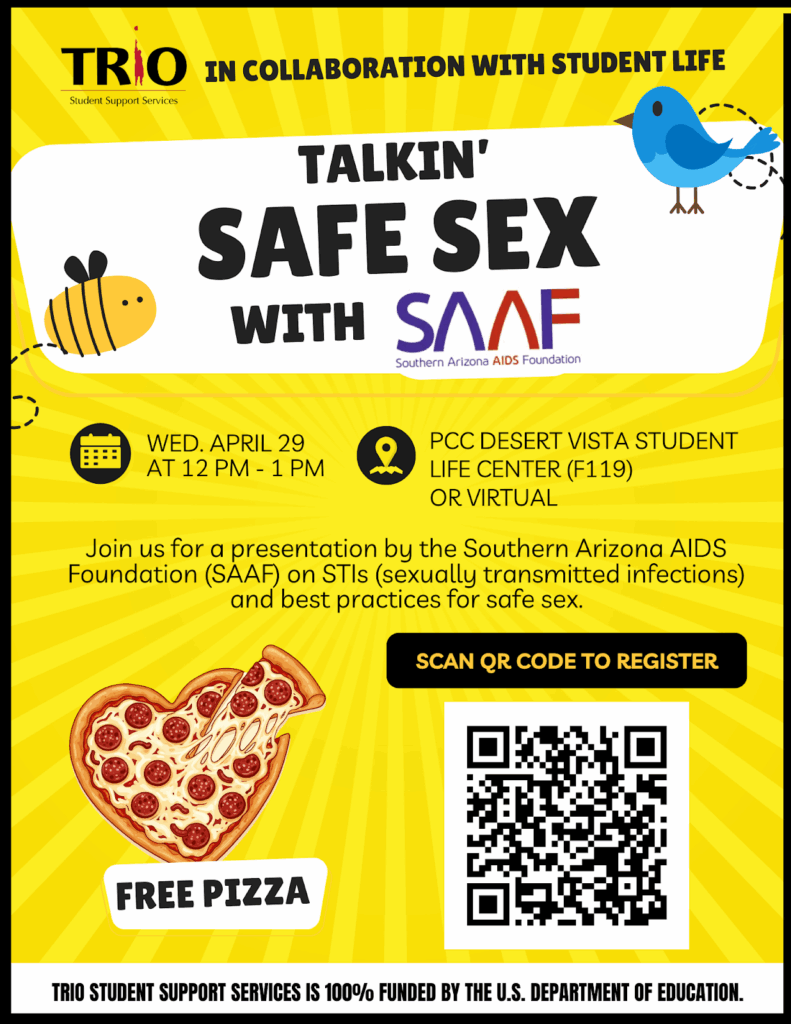
Be wise with sex toys, too. They need to be washed between users or covered in a fresh condom.
The following tips come from The Well Project:
- Use water-based lubricants (KY, Astroglide) with latex condoms or barriers
- DO NOT use oil-based products (Vaseline, coconut or other vegetable oil, body lotions) because they destroy latex
- Do not use lubricants or condoms that contain nonoxynol-9 (N-9), which can damage the lining of the vagina or anus and increase the chances of acquiring HIV
- Consider asking your provider about taking the drug doxycycline within 72 hours of a sexual encounter (post-exposure prophylaxis). “Doxy PEP” has been shown to reduce likelihood of acquiring some bacterial STIs (specifically chlamydia, syphilis, and in some studies, gonorrhea) for women of transgender experience and others.
Have regular examinations and be sure to bring up any concerns with your healthcare provider at your earliest opportunity.
All campuses have condoms, lubricant, and dental dams generously donated by El Rio Health Center and Southern Arizona AIDS Foundation. Also, the Tucson Police donate Narcan and most campuses have this available with instructions for use as well. Some campuses have these items available in some bathrooms for pick up (West Campus, for example).
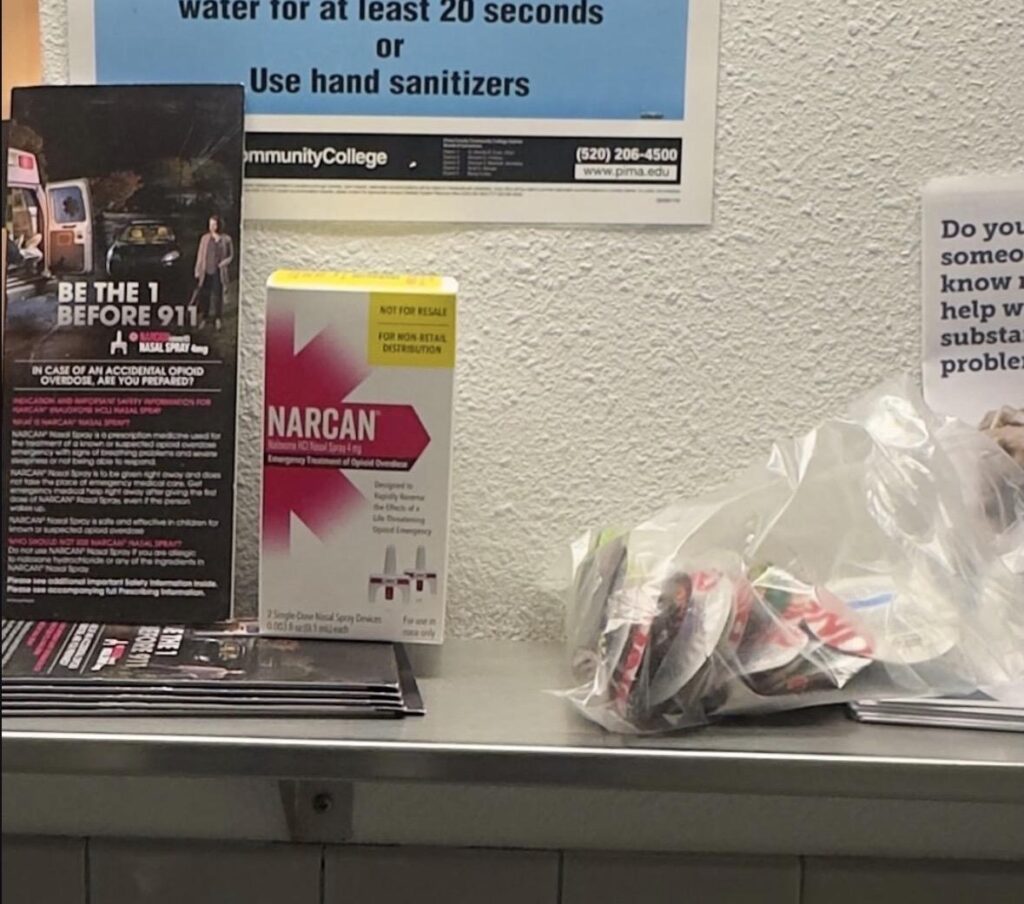
Narcan and Condoms in the West Campus bathrooms. Photo courtesy of Natalia Serrano, for The Pima Post.
SAAF offers confidential testing for HIF, hepatitis C, chlamydia, gonorrhea and syphilis. It’s a good idea to have these tests done before becoming sexually active with a new partner.
There were several representatives from SAAF at the Safe Spring Break Event at the Downtown Campus on March 12, 2026. They are such helpful, friendly people. Discussing your sexual concerns with them will be like talking to your new best friend who actually has all the answers. If you have concerns, get in touch with them. Here’s their number: 520-628-SAAF (7223).
Here are the locations for the Student Life Centers on each campus where students can find, in addition to all the sexual goodies, hygiene products (tampons, pads, toilet paper, shampoo and conditioner, body wash, toothbrushes, toothpaste, floss, deodorant, lotion and sunscreen):
Desert Vista Campus, room F119.
Downtown Campus, room CD120.
East Campus, room E6-618.
Northwest Campus, room D201.
West Campus, room AG120.
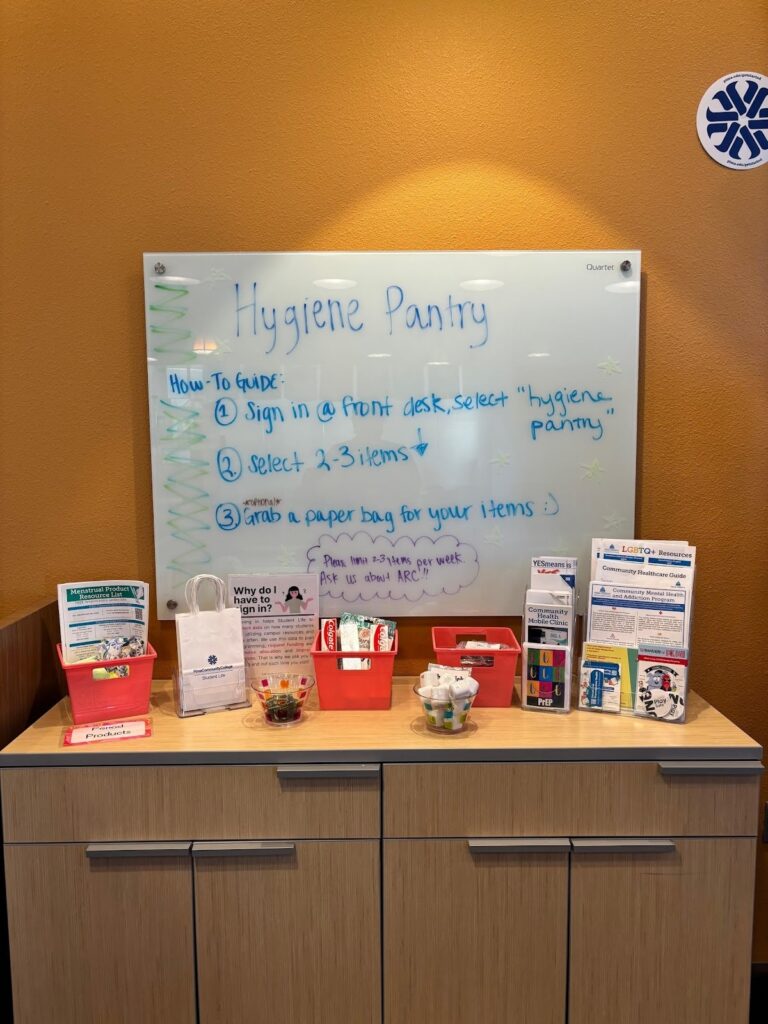
NorthWest Campus Hygiene Pantry and Safe Sex Items. Photo Courtesy Teleia Taumanu.
These items are donated, so selection varies by campus and current stock available.
Now, get out there and have safe sex!