
Joseph Cunningham
Warning: Spoilers Ahead

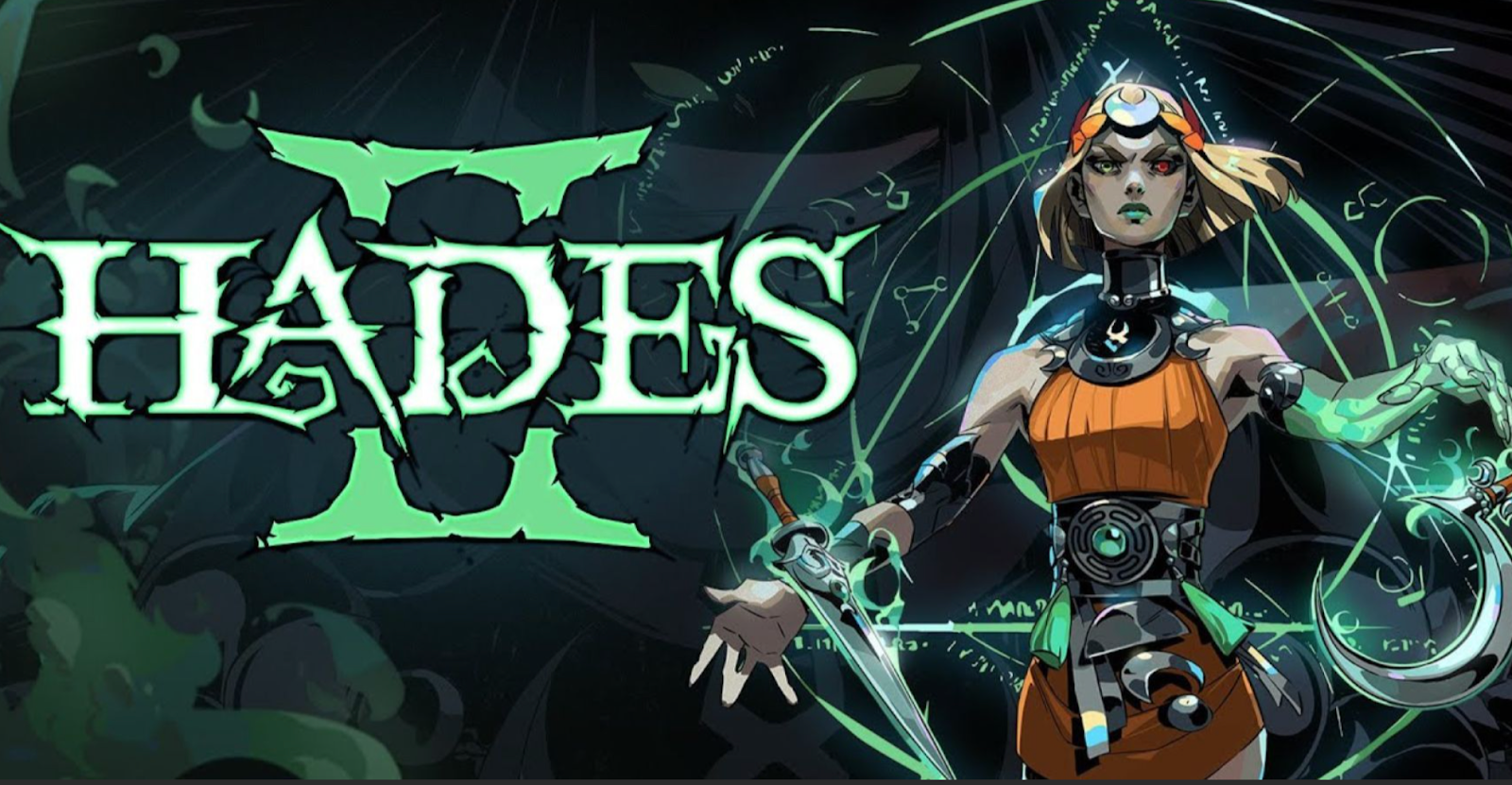
Cover for Hades II game.
Roughly one month ago on Sept. 25, 2025, Hades II, the sequel game to their title Hades released in 2020, was released in full by Supergiant Games. The game falls into the roguelike category of games, where you, as a character, progress through procedurally generated dungeons or rooms, upgrading your character with random upgrades. In Hades they are called boons, pulled from a large pool.
With some ultimate challenge like a boss fight at the end of the chain of rooms. Typically the goal of a roguelike isn’t to go through a story but rather hunt achievements, beat previous time records, or do specific challenge runs. Hades, however, also has a story to tell—and a rather good one at that.
Hades follows this pattern with you going through four zones with a boss at the end of each zone. Each zone—or “region,” as the game calls them—has its own theme and music, as well as new enemies to encounter and master, including the occasional mini-boss. However, Hades II has two paths for you to choose from, as opposed to the original Hades route.
The Story
Hades as a series takes heavy inspiration from Greek mythology, using well-known characters like Zeus and Hades himself. But it also uses more obscure characters such as Nemesis, retribution incarnate. While the original Hades had you playing as Zagreus, Prince of the Underworld, son of Hades, trying to escape from the bottom of the underworld (Tartarus) to the surface—all the while learning about characters, histories and problems.
Hades II has you playing as Melinoë, Zagreus’s sister, and second child to Hades and Persephone. This time Melinoë must break into Tartarus to save her family, as the long-thought-dead Titan of Time, Chronos, has taken over the House of Hades and begun his long-planned revenge on his father-killing children. But that isn’t all: during her task Melinoë finds herself called to Olympus, home of the gods, as it is under attack from a monstrous beast—the father of all monsters, Typhon.
With two different paths to take, you as a player must decide whether to go deep into the Underworld to help your immediate family escape Chronos, or help your extended family on Olympus fend off the monster looking to bring their end.
The story is never overwhelming or rushed despite the nature of a roguelike. The characters of the world react in tune with what you just did, what weapons or upgrades you have or don’t have—not to mention special dialogue or in-game events if players are able to conquer the Underworld early in the game. However, there is still much to do after beating the Titan of Time for the first time: you will need to raise your acquaintance with your family and people of the Crossroads. Much like the last game, the story doesn’t end the first time you beat Chronos and will require you to prove your mastery of the game mechanics again and again.
The Mechanics
Hades I was known for its quick and fast-paced action, with a lovely art style to complement the different array of powers and abilities. Hades II has only improved on that: combat feels more responsive and, while the art style hasn’t changed too much, the new graphics allow for clear visuals which in turn relay the information on the screen better. The combat systems of the game haven’t changed much either: your character is able to dash or avoid being hit and gain a few frames of invertability.
Hades II has six new weapons to choose from, much like the original, each with their own basic attack as well as a special attack. Casts are a little different than the original: you now have only one charge while in Hades you could upgrade to get more. Also this time instead of a projectile being shot out, it is a magic circle that generates where you spawn or where you aim, depending on boons achieved throughout a run.
A new thing added to Hades II are “omega moves,” or Ω moves, which are powerful versions of your normal attacks. These attacks use a new resource the player needs to keep track of during an encounter: Magik, represented by the blue bar above the health bar. These new moves offer new ways to play and offer a chance for Supergiant to create more boons relating to these moves specifically.
Speaking of boons, the upgrades offered by the Olympians have received some care as well. With some making their return from the first game, like Aphrodite’s ability to inflict weakness on opponents, while some new boons replace under-utilised or boons that were a bit too strong in the original—looking at you, “Merciful End.”
Each weapon has a different set of moves and Ω moves, and each god of Olympus has some ability to put on each attack, as well as others to support them. This gives the game a large amount of build diversity—even greater so than the first game. You can make a classic “only dashing” build, now even better with the ability to sprint in the game by holding the dodge button. Or make a build that has you using all of your different attacks to the best of your ability. Then on your next run doing something entirely different based on the boons you get. A core component to the longevity of a roguelike is having many different options to try and have fun with before even coming close to a “this is the best one” decision.
Hades usually wants you as a player to get better; however, if you find yourself struggling there are several different ways to upgrade yourself and better prepare for a run. Keepsakes from the first game, which you gain from being friendly with different gods and goddesses, allow you to do things such as upgrade boons during your run or deal 15 percent more damage to your first boss.
You can also use incantations, replacing the contractor from the original, which have various effects across your runs such as healing fountains. You can upgrade your weapons—called the nocturnal arms—or equip Arcana cards, which allow for things like greater boon chance or defy death and return to half health once reaching zero.
Overview
If you left Hades wanting more of it, then Hades II is exactly what you want. Hades II offers much of the same experience that the original Hades does: adrenaline-pumping, high-intensity actions, with a fully voice-acted story playing out as you upgrade your camp at the crossroads and fight your way to the top or bottom. The story is reactive to you, which is no surprise considering the original Hades had a staggering 300,000-word script for this very reason. However, it also offers new opportunities for build crafting and challenge runs.
The music for Hades II continues to be amazing, reacting to the environment or situation around you, with each boss having a theme that feels fitting to the pace and speed of the game, having different versions depending on modifiers active through the run—while also being quite catchy.
The progression rewards you for playing using all aspects of the game: you will feel a major difference between your first, second and tenth run in both your actual game strength but also as you become more familiar with the game’s mechanics and timings. Hades II has more of everything from the original Hades, making it one of the perfect sequels with high ratings from many different publications. I myself give the game a 9.5/10.